
The exploration of death and the afterlife is a universal human fascination, woven into the fabric of cultures across the globe. For centuries, people have sought to understand what lies beyond the veil of mortality, formulating intricate beliefs and practices surrounding death and rebirth. One of the most profound and influential texts addressing these themes is the tibetan book of the dead, known as the Bardo Thodol, which offers a detailed map of consciousness after death and a guide for navigating the intermediate state – the bardo – towards enlightenment. It is not a book in the Western sense, but rather a liturgical text intended to be read aloud to the dying and recently deceased, providing instruction and reassurance during a profoundly transformative journey.
This ancient text, originating from Tibetan Buddhism, presents a complex cosmology and a detailed description of the experiences that occur between death and rebirth. It outlines the various visions, judgments, and opportunities presented to the deceased, offering a path to liberation from the cycle of suffering. Understanding the tibetan book of the dead requires appreciating the underlying philosophical framework of Tibetan Buddhism, particularly its concepts of impermanence, karma, and the illusory nature of reality. The text is not merely about death, but about life, consciousness, and the potential for spiritual awakening, even – and especially – in the face of mortality.
The central concept within the tibetan book of the dead is the ‘bardo’ – a Tibetan word meaning ‘intermediate’ or ‘transitional.’ This isn’t simply the period between clinical death and physical decay; it’s a complex psychological and spiritual state that unfolds over a period of approximately 49 days. During this time, the deceased is believed to experience a series of vivid visions, encounters with various deities, and opportunities to achieve enlightenment or be reborn into another life. The nature of these experiences is determined by the individual’s karma – the accumulated effects of their actions in past lives. The bardo is characterized by a loss of the familiar markers of identity and reality, leaving the consciousness vulnerable and open to profound transformation. It is a time of immense potential, but also of considerable peril.
The text describes different stages within the bardo, each with its specific challenges and opportunities. The first bardo, the ‘Chikai Bardo,’ occurs immediately after death, characterized by a clear, luminous light representing the primordial awareness. If the deceased is able to recognize this light – which requires significant spiritual preparation in life – they can achieve enlightenment immediately. However, most individuals are overwhelmed by the experience and progress to the next stage. Subsequent bardos involve increasingly intense visions and encounters, including terrifying wrathful deities and judgment scenes. These are not literal entities imposing punishment, but rather projections of the individual’s own unconscious mind. The aim is to recognize these visions as illusory and to connect with the underlying wisdom of one’s own true nature.
| Stage of Bardo | Characteristics | Guidance |
|---|---|---|
| Chikai Bardo (Clear Light) | Primordial awareness, luminous light. | Recognize the light as your own true nature to achieve enlightenment. |
| Chonyid Bardo (Experiencing Reality) | Visions of deities, judgments, and landscapes. | Recognize visions as projections of your own mind and maintain non-attachment. |
| Sidpa Bardo (Becoming) | Search for a new rebirth, influenced by karma. | Focus on mantras and visualizations to guide rebirth towards a favorable realm. |
Understanding the stages of the bardo is crucial for both the deceased and those assisting them. The text instructs the living to read aloud to the dying and recently deceased, providing guidance and encouragement during this challenging transition. This is not about imposing belief, but about offering a framework for navigating a profoundly disorienting experience. The practice of reciting specific mantras and visualizations is believed to help the deceased to recognize the nature of reality and to avoid unfavorable rebirths.
A fundamental principle underlying the tibetan book of the dead is the concept of karma and rebirth. Karma, often misunderstood as fatalistic determinism, is more accurately understood as the law of cause and effect. Every action – whether physical, verbal, or mental – creates an imprint on consciousness, shaping future experiences. These imprints, or ‘seeds,’ ripen over time, leading to both pleasant and unpleasant consequences. The cycle of rebirth, known as samsara, is driven by karma. Beings are reborn into different realms – ranging from heavenly realms of pleasure to hellish realms of suffering – based on the quality of their actions. The goal of spiritual practice, therefore, is not simply to escape suffering but to purify karma and to break free from the cycle of rebirth altogether.
The tibetan book of the dead doesn’t present a fixed, linear view of the afterlife. Rather, it suggests that the experiences of the bardo are highly fluid and malleable, influenced by the individual's past actions and their ability to recognize the nature of reality during the transitional period. The text highlights the importance of cultivating virtuous qualities – such as compassion, wisdom, and generosity – throughout life in order to ensure a favorable rebirth. It also emphasizes the power of mindfulness and non-attachment in navigating the challenges of the bardo. The emphasis isn't simply on avoiding a bad rebirth, but on proactively shaping a positive future through conscious action.
The understanding of karma within the tibetan book of the dead provides a nuanced perspective on death and rebirth. It’s not a system of punishment and reward, but a natural law governing the unfolding of existence. The text teaches that even in the face of suffering, there is the potential for growth and transformation. The bardo, though challenging, presents an opportunity to break free from negative patterns and to move closer to enlightenment.
The tibetan book of the dead emphasizes the crucial role of the lama, or spiritual teacher, in guiding individuals through the bardo. The text is intended to be read aloud to the dying and recently deceased by a qualified lama who can provide support, encouragement, and guidance. The lama acts as a bridge between the deceased and the wisdom of the tradition, helping them to navigate the complex experiences of the bardo and to recognize their true nature. This guidance is not merely about reciting mantras and visualizations, but about creating a space of compassion, trust, and understanding. The lama’s presence is believed to provide a powerful energetic support for the deceased during this vulnerable time.
However, the text also acknowledges that not everyone has access to a qualified lama. In such cases, the role of the guide falls to family members or close friends who are familiar with the teachings. It’s important that these individuals approach the task with sincerity, compassion, and a genuine desire to help the deceased. The act of reading the text, even without deep understanding, is believed to have a positive effect, creating a sacred space and offering a sense of connection. The key is to maintain a peaceful and supportive presence, and to avoid imposing one’s own beliefs or expectations on the deceased.
The lama or guide's role is not to dictate the deceased’s experience, but to provide a compassionate framework for navigating it. It is a reminder that even in the midst of death, one is not alone. The power of intention, combined with the wisdom of the tradition, can offer profound support and guidance during this transformative journey.
Beyond its religious and spiritual context, the tibetan book of the dead has also garnered interest from psychologists and scholars exploring consciousness and the dying process. Many contemporary interpretations view the visions and experiences described in the text as symbolic representations of the unconscious mind. The wrathful deities, for example, are seen as projections of repressed emotions, fears, and unresolved conflicts. The bardo itself can be understood as a metaphor for the psychological state of dying – a period of disorientation, loss of control, and profound change. This perspective aligns with some modern theories of grief and bereavement, which emphasize the importance of processing emotions and finding meaning in loss.
The insights offered by the tibetan book of the dead can be profoundly relevant to modern approaches to palliative care and end-of-life counseling. The text’s emphasis on acceptance, non-attachment, and the illusory nature of reality can help individuals and their families to cope with the challenges of terminal illness and death. The practice of mindfulness, as taught in the text, can promote a sense of peace and equanimity in the face of suffering. Furthermore, the emphasis on compassion and connection can foster deeper relationships and provide emotional support during a difficult time. The wisdom of this ancient text continues to resonate with those seeking to understand the mysteries of life and death.
The concept of the bardo, as a transitional state of consciousness, can be interestingly reinterpreted in the context of our increasingly digital lives. We now navigate a constant stream of information, virtual realities, and social media platforms, which can create a sense of disorientation and detachment from our physical surroundings. The relentless pursuit of novelty and validation online can feel akin to the restless wandering of consciousness described in the tibetan book of the dead. The digital world, in a way, becomes a modern bardo – a realm of illusion and potential where we constantly encounter fleeting images, identities, and experiences.
Applying the principles of the tibetan book of the dead to this digital landscape suggests a need for mindful engagement, non-attachment to online personas, and a cultivation of inner awareness. Just as the deceased is encouraged to recognize the illusory nature of visions in the bardo, we must learn to discern between reality and simulation in the digital world. Practicing digital detoxes, prioritizing genuine human connection, and cultivating inner stillness can help us to navigate this modern bardo with greater clarity and wisdom. The core message remains timeless: true liberation lies not in escaping the world, but in understanding its nature and finding freedom within.
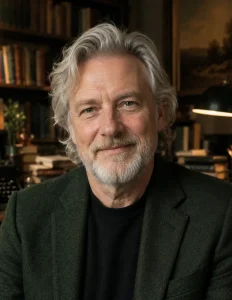
I am Sebastian Walker, a streaming and digital entertainment writer who shares practical guides, viewing tips, and insights to help readers enjoy a better TV experience.